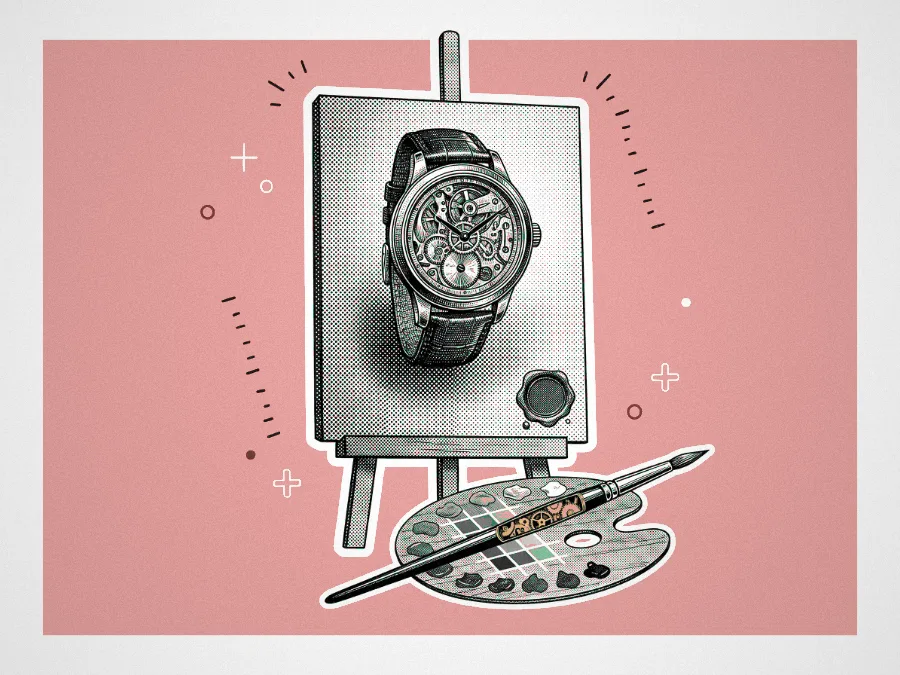
Product design that ships.
End-to-end product design for apps and web apps. UX flows, Figma prototypes, full UI, and design systems your engineers can actually build against. We lean on AI in the workflow so high fidelity comes faster than it used to.
Talk to usEverything a product needs to feel like a product.
Design that ships well is more than a pretty Figma file. It is a full pipeline: research that points at the right problem, flows that hold up under real use, a UI that feels considered, and a system the engineers can actually build against. Here is what we deliver.
End-to-end product UX
Research, user flows, information architecture, wireframes, and high-fidelity screens. We work the whole arc so the product holds together at the seams, not just on the marquee screens.
Full UI design
Pixel-considered screens for every state that matters: empty, loading, error, populated, edge cases. Designed to be built, not just to win awards.
Design systems backed by Storybook
Tokens, components, and patterns built in Figma and mirrored in code with Storybook. Variants and states match how the engineers will build it, so the handoff is trivial and the system stays in sync as the product grows.
AI-accelerated prototypes
Once a design system is in place we often skip the Figma stage for high fidelity and prototype directly in code with AI. Faster iteration, real interactivity, and the prototype usually becomes the starting point for the production build.
Generative branding and asset pipelines
Systems that help businesses produce brand-aligned visuals and imagery at scale using code and AI. We design the rules, build the generation pipeline, and tune the output so it stays consistent across hundreds of touchpoints. Useful when a designer-in-the-loop for every variant becomes a bottleneck.
Ongoing design partnership
Design is rarely done at launch. Most engagements roll into a retainer for the next round of features, the bits we missed, and the patterns the system needs as the product grows. Pricing reflects an ongoing relationship, not a one-shot project.
How we work
6 week product cycles that always launch.
Build your vision with our 6-week product cycles. A small senior team, AI-amplified end-to-end, geared up to launch your idea in six weeks.
Why 6 Weeks? It's the Goldilocks Zone - Striking the perfect balance between allowing enough time to build something meaningful, while being short enough to keep risks low!
Whether its an MVP, prototype, or feature in a existing product, our 6 week cycles make sure you have something tangible at the end of the project.
Sounds cool! Tell me more01: Discovery
Refine your ideas and plan what will be launched in 6 weeks.

02: Kick-off
We get cracking. Design, code, and AI work happen in parallel from day one.

03: Check-in
On week 3 get ready for an exciting demo of progress.

04: Build & Iterate
Continue work and integrate feedback from the check-in.
05: Pre-launch
A check-in before launch to tie up loose ends and get ready.
06: Launch
The big day is here, you idea is launched to the whole world.

What we usually build.
- 01
Designing a product from scratch
Zero to a shipped product. We run discovery, work the flows, design the screens, build the system, and stay close through engineering so the thing that lands in production is the thing we designed.
- 02
Redesigning an existing product
An audit of what is there, where the friction lives, and what is worth keeping. Then a redesign that respects the work already done and the users already there, instead of a rip-and-replace that breaks the muscle memory.
- 03
Building a design system
Tokens, components, patterns, and the documentation around them. Built in Figma, mirrored in code with Storybook, with the variants and states the engineers need. Set up so a new screen takes minutes, not days.
- 04
Generative branding and asset pipelines
Pipelines that let your team produce on-brand imagery, illustrations, and marketing assets through code and AI. We design the rules, build the generation pipeline, and integrate it with your stack so the output stays consistent at scale.
- 05
Marketing site design
A site that fits the product behind it. Built on the same system as the app where it makes sense, so the brand reads the same whether someone is on the homepage or three screens deep into the dashboard.
- +
Got something different?
Tell us about your use case. We'll come back with a straight answer about whether it's something we can help build.
A glimpse of the work.
A few artefacts pulled from real projects. UI screens, prototypes, design systems, and the motion that ties it all together.


Real products, in production.
We design our own products alongside client work, and every lesson about flows, systems, AI prototyping, and the bits that only show up under real use gets folded back into what we ship for you.

Chat Thing
Chat Thing is our first in house product that allows users to create magic AI chatbots

Building HeyYou a production AI security platform in 8 weeks
HeyYou had a working AI prototype. Pixelhop built the launchable product: a multi-tenant platform with deep Axis camera integration, all live in 8 weeks.
Things people ask.
How does your design process actually work?
Discovery first: who the product is for, what they are trying to do, what is in the way. Then flows and wireframes to settle the structure. For high fidelity we increasingly skip the Figma stage and prototype in code with AI, because real interactivity surfaces issues that static screens miss. The exact mix depends on the work, and we will scope it honestly once we know what we are dealing with.
How do you use AI in the design workflow?
Mostly at the high-fidelity stage, and only once a design system is in place to keep the output coherent. With strong tokens, components, and patterns to lean on, an AI-assisted code prototype gets us to a real, interactive screen far faster than the old Figma-then-rebuild loop. The prototype is usually the starting point for production, not a throwaway.
How does design hand off to engineering?
Usually it does not, because we do both. Most engagements have the same team designing and building, so there is no handoff drama, no specs lost in translation, and no design that quietly cannot be built. When we are designing for someone else's engineers, we work in their stack's grain (tokens that map to their CSS variables, components named like their codebase) so the handoff is short and boring.
Do you build the design system, or hand it off?
Either, depending on what you need. We can build a system in Figma and hand it over with documentation, or build it in Figma and in code with Storybook (React, Vue, whatever your stack is) so the components are usable on day one. For ongoing work we maintain it alongside the product so it stays in sync as new patterns show up.
Do you do brand identity work?
Not typically. We do not do traditional brand work for clients (logos, full identity systems, brand guidelines). We do build generative branding pipelines: systems that help businesses produce on-brand assets and imagery at scale through code and AI. If you need a logo and a brand book, we will happily point you at a studio that specialises. If you need a way for your team to generate hundreds of consistent assets without a designer in the loop, that is our lane.
Can you work with our existing brand?
Yes, and most of the time we are. We will take what you have (brand guidelines, existing components, the bits of the product that are working) and design with the grain of it. If something in the existing system is actively fighting the product, we will flag it and suggest a fix. We will not redo the brand without asking.
Do you support design after launch?
Yes. New features, new edge cases, the patterns the system did not have words for yet. Most engagements roll into a retainer for the next round of design work, with pricing that reflects an ongoing relationship rather than a one-shot project. The system is healthier when the same team keeps tending it.
Got something that needs a designer in the room?
Tell us what you're trying to ship. We'll come back with a straight answer.
Start a conversation