From a side project to an AI-powered studio — what three years of building with AI taught us.
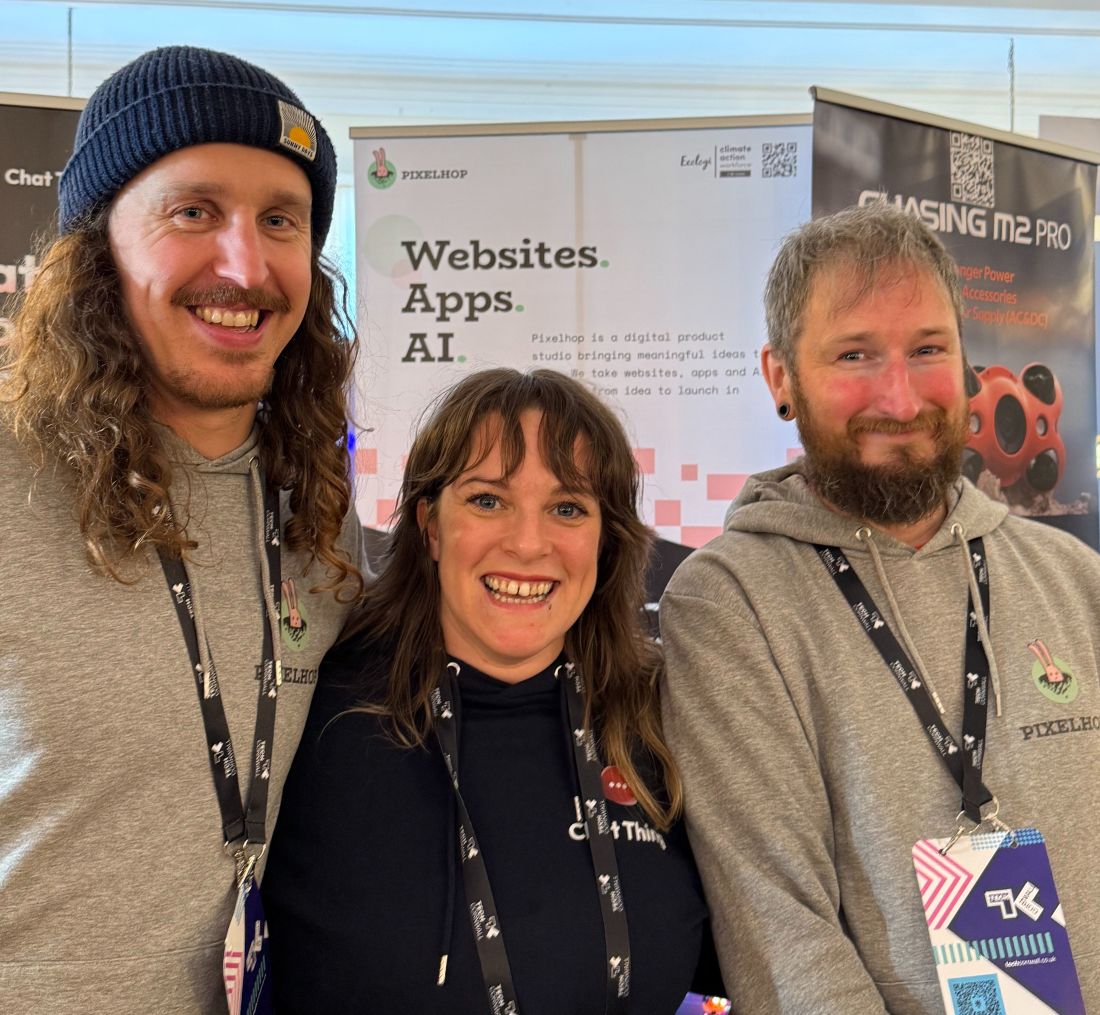
Zef, Gem and Chris at Tech Cornwall
In 2023, we were scared AI would replace us. So we decided to become the ones building with it. Not a grand strategy, more of an itch. AI was evolving fast, and honestly? We were having a bit of an existential crisis. As a web development studio, we were watching AI advance and wondering: is this going to replace what we do?
Rather than sit around worrying, we decided to lean in and understand it properly. Not by reading about it, but by building with it.
That's how Chat Thing was born. A side project to get our hands dirty. Could we build AI chatbots that actually worked in real workflows? Customer support, internal tools, content helpers. We built it, tested it, broke it, fixed it. And somewhere along the way, it stopped being just a learning project and started being something people actually wanted to use.
Chat Thing dashboard
Meanwhile, something else was happening. We started weaving AI into our development process. Slowly at first, then everywhere. Code generation, prototyping, testing. Each month we got a little faster, a little smarter about where AI helped and where it got in the way.
By 2024, word had spread. Our pipeline was full of AI projects. Clients weren't just asking "can you build us a website?" They were coming to us specifically because they knew we were doing AI, and doing it well. We'd gone from curious experimenters to the team people called when they wanted AI done properly.
Now it's 2026. And this year feels different again.
We're not just using AI in client projects - we're running Pixelhop and Chat Thing itself with AI baked into operations. Project scoping, growth, sales, client comms, development, even our internal workflows. If it works for us, we know it'll work for our clients.
We're not a web development studio that does AI projects anymore. We're an AI product studio. Building products powered by AI is what we do - whether that's internal products like Chat Thing, or working with clients who want to build the next generation of AI-native tools. The tech stack changed. The mission didn't.
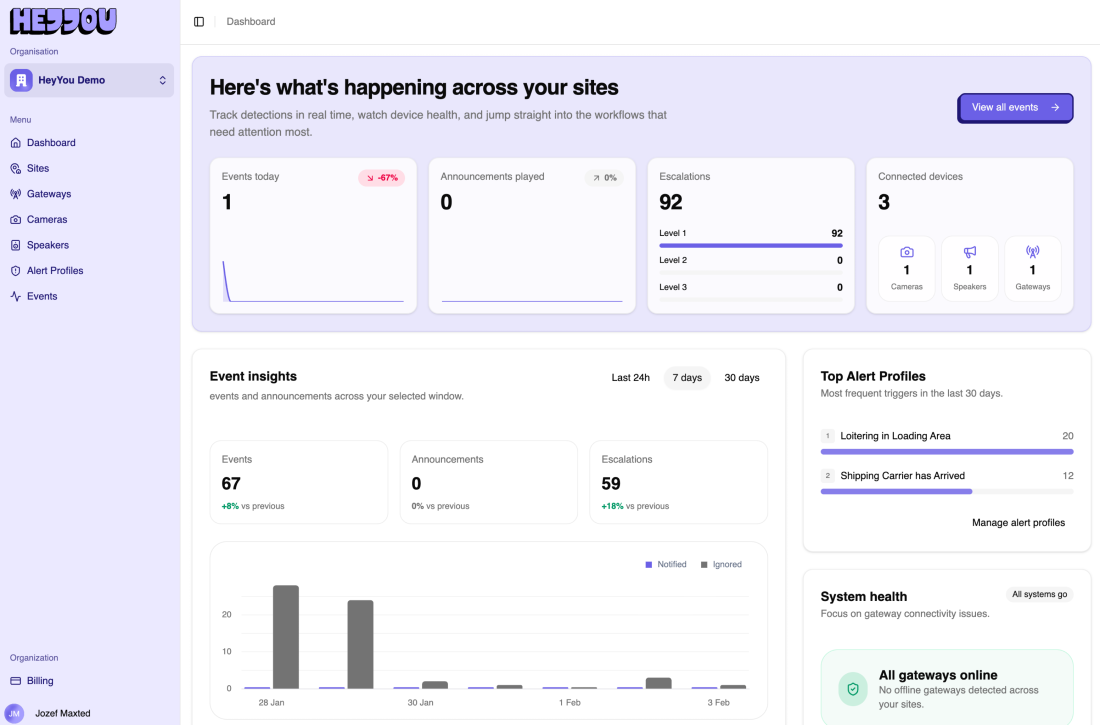
Here’s an example of just one of our AI projects.
HeyYou, one of Pixelhop's AI projects.
From Experiments to Infrastructure
The shift happened gradually. We noticed that our most successful projects weren't the ones where we bolted AI onto existing ideas. They were the projects where AI was woven into the foundation from day one, where it genuinely made the product better, not just buzzword-heavier.
Chat Thing taught us that. When you're building a tool that other people rely on, you quickly learn what works and what doesn't. Multi-channel deployment? Essential. Response guards? Non-negotiable. A slick demo that falls over in production? Not worth shipping.
We carried those lessons into everything we do. Now when a project lands on our desk, we ask different questions:
Where does AI actually add value here?
What should stay human-led?
How do we build something meaningful, not just something fast?
Working Smarter, Not Harder
Here's what's changed:
Faster prototyping, better judgment. We can spin up working concepts in days, not weeks. But more importantly, we know when to stop prototyping and start building properly. AI helps us explore quickly; three years of experience tells us when we've found something worth shipping.
Honest conversations. No more vague promises about "AI magic." Just clear assessments of where automation helps and where human judgment still wins. Clients appreciate the honesty. It builds trust and leads to better products.
Human-led, AI-powered. That's become our mantra. AI handles the repetitive, the pattern-matching, the heavy lifting. Our team handles the creative leaps, the strategic thinking, the parts that need actual judgment.
Equalling more time at the beach, watching the sunset with a beer in hand.
Chris enjoying watching the sunset whilst having a beer after a busy day at Tech Cornwall.
What's Next
Chat Thing keeps growing. New features, new channels, new ways for people to deploy AI without needing a computer science degree. And our client work keeps evolving too. Every project teaches us something new.
But the core idea hasn't changed: we bring meaningful ideas to life. Sometimes that means a slick website. Sometimes it means complex experiences. And increasingly, it means products that use AI in ways that actually help people work smarter.
If you're thinking about building with AI, we've already made the mistakes so you don't have to.
Zef and I are constantly talking about different ideas and "things" we want to build and projects we want to start. Over the years we have started countless side projects but have finished only a few. It's hard to keep side project momentum around busy lifestyles and full-time jobs.
To mark the occasion of earth day, we have decided to make any of our future sites or apps carbon neutral by planting trees every month to offset their emissions.